
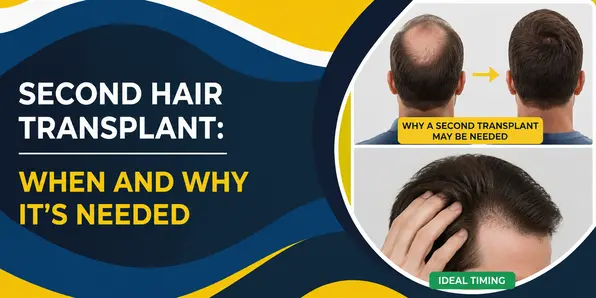
Hair restoration serves as a dependable and modern treatment option for people who experience hair loss problems. Some patients need multiple hair transplant surgeries because one procedure does not meet their expectations for hair density and coverage and permanent hair restoration. Your decision-making process for hair transplant in Raipur needs to benefit from learning about the appropriate situations which require a second treatment.
What Is a Second Hair Transplant?
A second hair transplant is a follow-up method performed after the initial transplant. The procedure helps make hair thicker because it fixes problems with irregular hair growth while it fills in areas that have become bald because of hair loss. The natural process of hair loss causes ongoing hair thinning which requires additional transplantation treatment after the first successful operation.
Why Is a Second Hair Transplant Needed?
People choose to undergo a second hair transplant for multiple reasons which include the following
1. To Improve Hair Density
The first transplant usually works to restore bald patches while it stops the complete hair loss. Patients want to have thicker and fuller hair after they observe their hair growth from the transplanted hair. The second session works to increase overall hair volume which creates a more realistic appearance.
2. Progressive Hair Loss
The hair loss condition known as androgenetic alopecia continues to advance after the first treatment. The process of baldness causes new bald areas to form which will need extra hair grafts for aesthetic uniformity.
3. Correction of Previous Results
The first hair transplant results do not always lead to successful outcomes. Some patients may experience:
- Uneven hairlines
- Low graft survival rate
- Unnatural growth patterns
A second transplant can refine and correct these issues for better aesthetic results.
4. Expanding Coverage Area
The first transplant might target the front hairline or crown. The mid-scalp and temples became additional coverage areas that patients selected for their treatment.
5. Better Techniques and Technology
The evolution of hair transplant techniques through FUE (Follicular Unit Extraction) has produced more exact and realistic outcomes. Patients who had older methods may choose a second transplant for improved outcomes.
When Should You Examine a Second Hair Transplant?
The proper time to begin a second hair transplant determines whether the procedure will succeed. Here’s when it is usually recommended:
1. After Full Recovery from the First Transplant
Patients need to wait 8 to 12 months after their first transplant before they can undergo their next procedure. The period enables:
- Complete scalp healing
- Complete transplanted hair development
- Result evaluation through proper evaluation
2. When Hair Loss Stabilizes
Doctors often recommend waiting until your hair loss pattern stabilizes. This practice enables better project execution and produces results that endure throughout time.
3. If You’re Unsatisfied with Initial Results
The first transplant failed to create the necessary hair density and visual results. Thus, patients need to obtain a second procedure for treatment.
4. Adequate Donor Hair Availability
Successful execution of a second transplant requires sufficient availability of healthy donor hair, which medical professionals obtain from the back and sides of the scalp.
What to Expect During the Second Procedure
A second hair transplant procedure uses the same techniques found in the initial procedure but introduces improved methods. Surgeons conduct thorough evaluations of the following elements:
- Existing transplanted hair
- Donor area condition
- Scalp health
The process includes:
- Extracting hair follicles
- Creating precise recipient sites
- Implanting grafts for natural growth direction
- The procedure requires local anesthesia and performs most of its work through small incisions.
Benefits of a Second Hair Transplant
A second hair transplant procedure provides multiple benefits to those who choose it:
Enhanced Density: The treatment produces thicker and fuller hair results
Natural Appearance: The improved design of the hairline and its natural blending with existing hair create a more authentic look
Long-Term Results: The treatment ensures permanent hair coverage which remains intact during future hair loss
Boosted Confidence: People experience increased self-worth because they achieve better visual outcomes.
Risks and Examine
A second hair transplant shows a good safety record but needs detailed preparation to reach success. The following factors should be researched:
Donor hair resources are restricted
There exists danger of excessive hair extraction
A qualified surgeon is required
Patients need to receive correct treatment after their surgery
Hair transplant in raipur clinic selection lets you achieve best results through expert medical treatment which reduces chances of medical issues.
Tips for a Successful Second Hair Transplant
The essential tips this guide provides will help you achieve your desired results.
It is more about the skill involved in corrective work or a second procedure.
Pre- and post-care instructions must be followed because proper care procedures enhance graft survival.
Donor hair will determine your achievable results so you must keep your expectations within realistic limits.
People must maintain healthy eating habits because proper nutrition helps hair development.
Conclusion
The process of performing a second hair transplant appears to be a standard procedure which improves the outcomes of your first surgical treatment. The follow-up treatment provides you with three ways to reach your desired appearance through its ability to improve your hair density and fix your hair defects and treat your continuing hair loss. People who want to have a hair transplant in Raipur should first consult with professionals who have experience in their field to receive safe and efficient guidance throughout the entire procedure. The appropriate method will enable a second transplant to deliver results which look natural and last for a long time while enhancing your self-assurance.